Old vines
Can Branques and Ca la Jane were planted in 1969, Vinya de Dalt in 1973 and 1992, Vinya de Cabra in 1987, Vinya del Toni in 1988. Old vines give few grapes, but grapes with something to say.
THE NATURAL WINE GUIDE
Everything behind a bottle of Sans Domaine, explained without jargon. Three chapters, in any order.
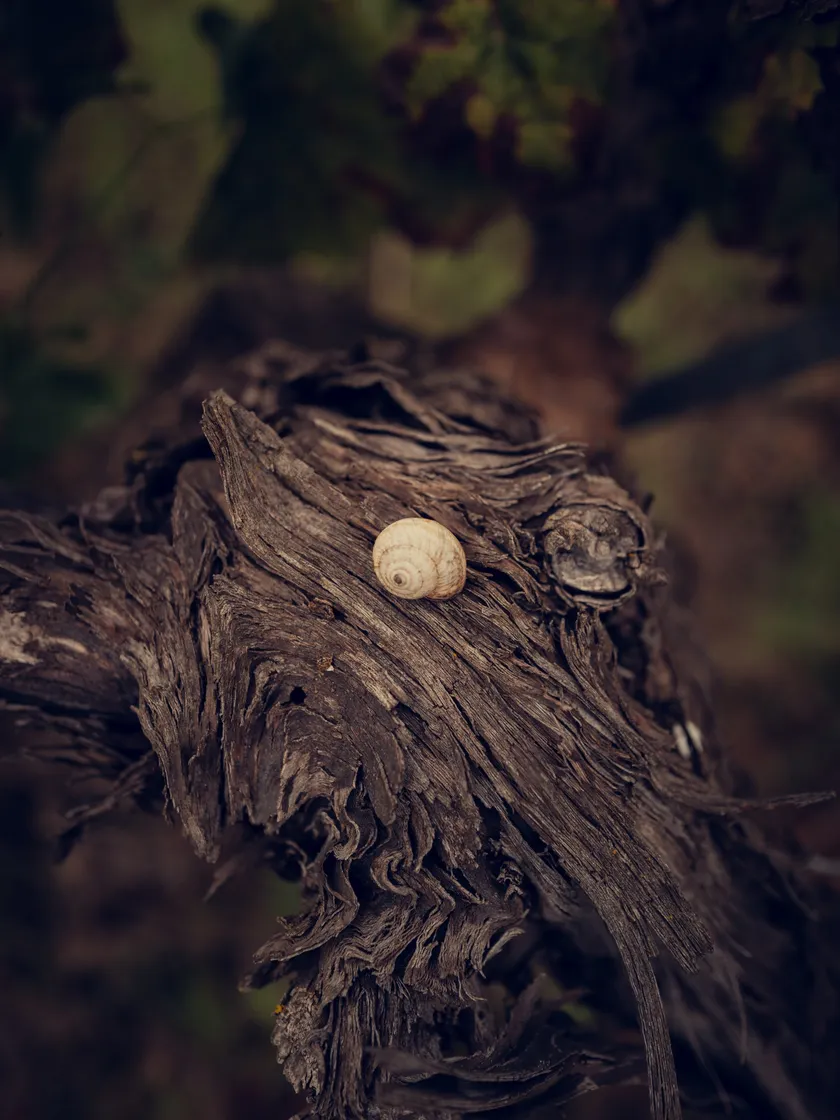
Four vineyards, four villages, between Penedès and Alt Camp: 7 hectares of vines and one of olive trees. Old vines, local grapes and soils that change everything.
Can Branques and Ca la Jane were planted in 1969, Vinya de Dalt in 1973 and 1992, Vinya de Cabra in 1987, Vinya del Toni in 1988. Old vines give few grapes, but grapes with something to say.
Clay in Alt Camp, limestone in Penedès. Clay holds water, limestone lets it drain: two ways of feeding the vine, two different wines.
Xarel·lo, macabeu, parellada: the historic trio of Penedès. Plus rarities I keep alive: moneu, selma, garró, sumoll.
At Vinya de Dalt, several varieties grow together in the same rows, the old way.
No synthetic products in the vineyard. [To specify: what you use — copper, sulphur, herbal teas…]
Pruning in winter, budbreak in spring, hand harvest in September. It’s all in the notebook, week after week.
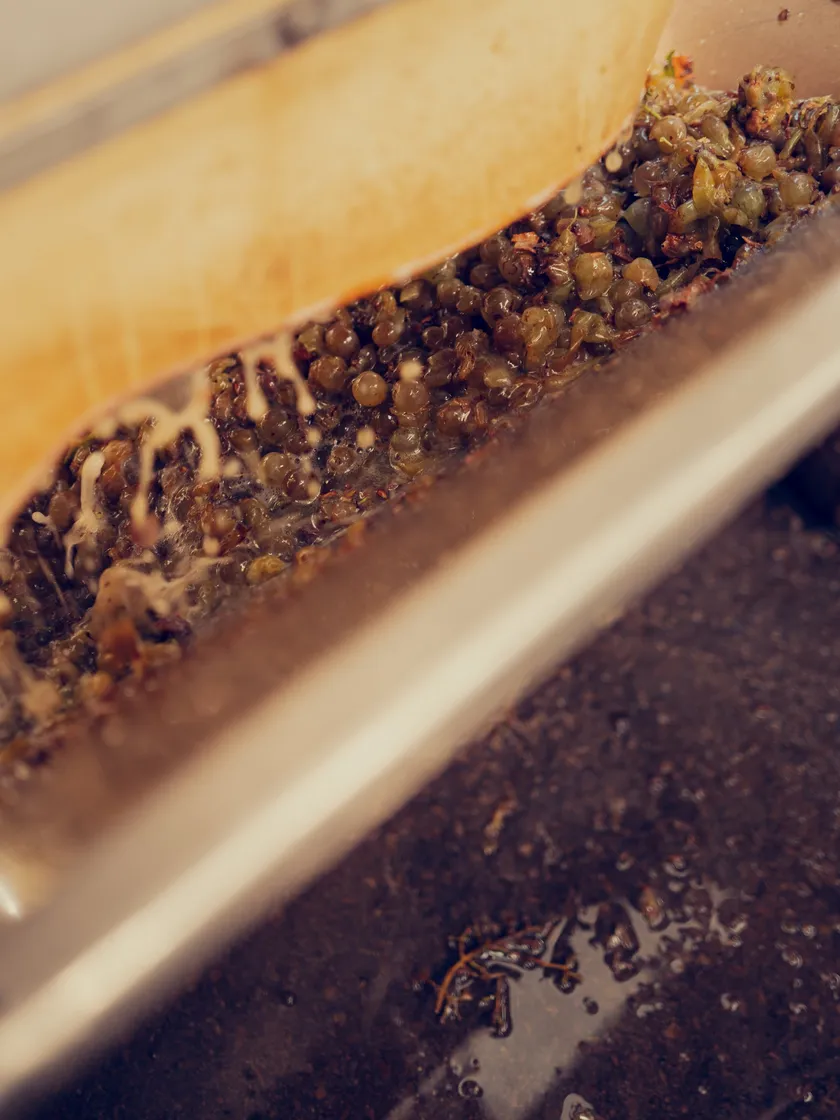
Almost nothing added, almost nothing taken away. Here are the cellar words, explained simply.
I don’t press the grapes: I keep only the juice that runs out on its own. Less volume, more finesse. Orange25, Jane, Vinya de Dalt, MacaVeu.
Whole bunches ferment in a closed tank under their own gas. The result: fresh, fruity, moreish wines. Orange25, Vinya de Dalt.
The old Catalan word for a white fermented on its skins, like a red. Colour, texture, character. Jane, Orange25, MacaVeu.
Bottled before fermentation ends, so the bubbles make themselves. Voyage Voyage, MacaVeu, SOCA.
SUMO: a black vermouth on a sumoll and moneu wine, with wormwood, gentian, bitter orange peel and spices. It rests at least two months before release.
[Yeasts, sulphites, fining, filtration: to be completed by Lambert, with figures.]
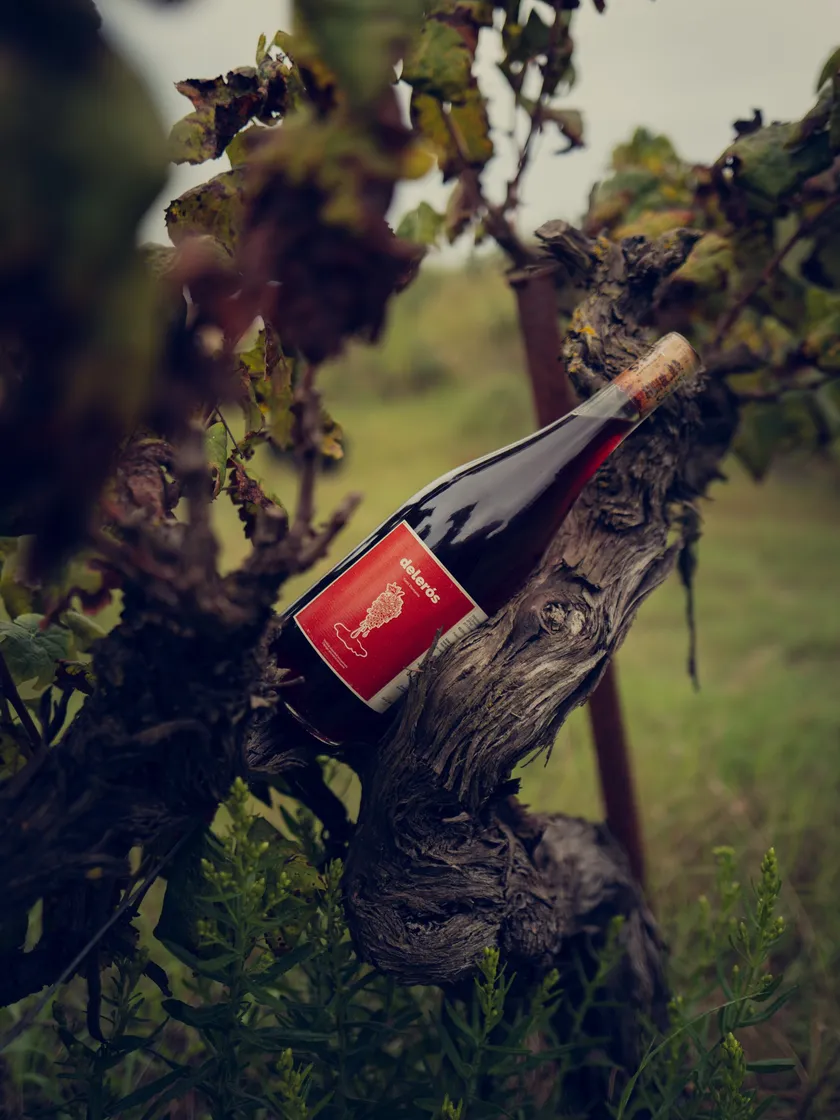
Natural wine is alive: it moves, breathes and changes in the glass. A few tips to enjoy it.
Well chilled, and don’t shake it. The first time, open it over the sink: natural bubbles have character.
Bubbles: 6–8 °C. Skin-contact and brisat: 10–13 °C. Vermouth: ice and a slice of orange.
Those are fine lees, grape particles in suspension. Stand the bottle upright for a day if you want it clearer.
Boiled egg, struck match: that’s reduction, the wine lacked air. Decant and wait fifteen minutes. It usually goes.
Re-cork, fridge, taste. Skin-contact wines are often even better on day two. Bubbles, a bit less.
No rules, just cravings. And if you’re unsure, the guide picks for you in four questions.